Who Is a Good Candidate for Testosterone Therapy?

A Physician’s Guide to Understanding When TRT May Be Appropriate
By Jean-Jacque Vel, DO
Trinity HRT & Wellness – Fort Myers, Florida
Quick Answer: Who Is a Good Candidate for Testosterone Therapy?
Men who may be good candidates for testosterone replacement therapy (TRT) typically have:
• Symptoms of low testosterone
• Confirmed low testosterone levels on blood tests
• No untreated medical conditions that would make treatment unsafe
Many men begin exploring testosterone therapy in Fort Myers when they experience symptoms such as fatigue, decreased muscle mass, brain fog, reduced libido, or difficulty maintaining energy throughout the day.
A proper diagnosis always requires both symptoms and laboratory testing.
At Trinity HRT & Wellness, I evaluate each patient carefully to determine whether testosterone therapy is appropriate and safe based on their medical history, lab results, and long-term health goals.
Understanding Low Testosterone (Low T)
Testosterone is a hormone responsible for many important functions in men’s health, including:
• Muscle growth
• Energy levels
• Libido and sexual function
• Bone density
• Mood stability
• Cognitive performance
• Fat metabolism
Beginning around age 30, testosterone levels naturally decline by approximately 1% per year in many men.
While this gradual decline is normal, some men experience significantly lower levels, a condition known as hypogonadism or low testosterone.
When testosterone levels drop too far, it can affect both physical health and overall quality of life.
Common Symptoms of Low Testosterone
Many men first explore TRT in Fort Myers because they begin noticing changes in their energy, motivation, or physical performance.
Common symptoms of low testosterone include:
Persistent Fatigue
Men often report feeling tired even after a full night’s sleep.
Decreased Muscle Mass
Lower testosterone can make it harder to maintain muscle despite exercise.
Increased Body Fat
Many patients notice weight gain around the abdomen.
Reduced Libido
A decline in sexual interest is one of the most commonly reported symptoms.
Brain Fog or Poor Concentration
Low testosterone may affect mental clarity and focus.
Mood Changes
Some men experience irritability, depression, or lack of motivation.
Reduced Athletic Performance
Strength and endurance may decline.
Poor Sleep Quality
Hormonal imbalances can disrupt sleep patterns.
These symptoms may develop gradually, making them easy to dismiss as normal aging.
However, hormonal imbalance may be the underlying cause.
Age Ranges for Testosterone Therapy
One of the most common questions I receive from patients is:
“Am I too young or too old for testosterone therapy?”
The reality is that testosterone therapy is not determined by age alone.
Instead, it is based on symptoms and lab results.
That said, certain age ranges tend to explore treatment more often.
Men in Their 30s and 40s
Younger men sometimes experience testosterone decline due to:
• chronic stress
• poor sleep
• obesity
• metabolic syndrome
• endocrine disorders
In these cases, lifestyle optimization and hormone therapy may both be considered.
Some younger men experience symptoms such as:
• low energy
• poor recovery after exercise
• decreased motivation
A full evaluation is necessary before considering TRT.
Men in Their 40s and 50s
This is the age range where testosterone decline becomes more common.
Many men in this stage of life begin noticing:
• decreased stamina
• increased belly fat
• reduced muscle tone
• brain fog
• lower libido
For many patients, testosterone therapy in Fort Myers becomes part of a broader strategy for maintaining health and vitality.
Men Over 60
Older men may also benefit from testosterone therapy when medically appropriate.
Potential benefits may include:
• improved energy
• stronger muscle maintenance
• better bone health
• improved quality of life
However, treatment must be carefully monitored and individualized.
Lab Requirements for Testosterone Therapy
Testosterone therapy should never begin without proper laboratory testing.
Before prescribing treatment, I require comprehensive hormone testing that typically includes:
Total Testosterone
Measures overall testosterone levels in the bloodstream.
Free Testosterone
Measures the testosterone available for the body to use.
SHBG (Sex Hormone Binding Globulin)
Determines how much testosterone is biologically active.
Estradiol
Important for maintaining hormone balance during TRT.
Complete Blood Count
Evaluates red blood cell levels and overall health.
Metabolic Panel
Assesses liver and kidney function.
PSA Screening (when appropriate)
Evaluates prostate health.
Testing allows physicians to confirm whether symptoms are truly caused by hormone deficiency.
At Trinity HRT & Wellness, we partner with local laboratories throughout Fort Myers so patients can easily complete bloodwork before their consultation.
What Testosterone Levels Are Considered Low?
Normal testosterone levels vary by age, but general guidelines include:
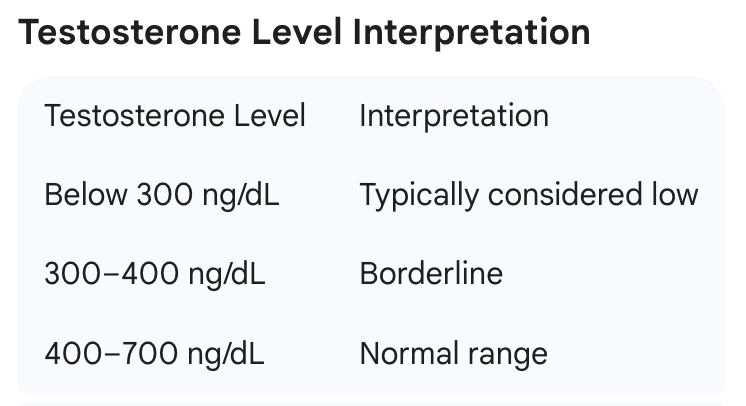
However, numbers alone do not determine treatment eligibility.
A patient with borderline levels but significant symptoms may still benefit from medical evaluation.
Who May Not Be a Candidate for TRT
Testosterone therapy is safe for many men when properly monitored, but certain conditions require careful consideration.
TRT may not be recommended for individuals with:
• untreated prostate cancer
• severe sleep apnea
• uncontrolled heart disease
• certain blood disorders
Every patient should undergo a full medical evaluation before beginning treatment.
The Importance of Personalized Testosterone Therapy
One of the biggest misconceptions about TRT is that it involves standardized protocols.
In reality, testosterone therapy must be carefully tailored to each patient’s biology.
At Trinity HRT & Wellness, I evaluate:
• hormone levels
• symptoms
• metabolic health
• lifestyle factors
• long-term wellness goals
“Testosterone therapy should never be a one-size-fits-all treatment. Every patient deserves a personalized plan designed around their physiology and long-term health.”
— Jean-Jacque Vel, DO
Our goal is not simply to raise hormone numbers, but to help patients restore energy, balance, and vitality.
Testosterone Therapy and Overall Health
When properly prescribed and monitored, testosterone therapy may support:
• improved energy
• better metabolic health
• increased muscle mass
• improved mood and motivation
• healthier body composition
However, treatment works best when combined with:
• proper nutrition
• strength training
• sleep optimization
• stress management
Hormones are just one component of overall wellness.
Accessing TRT in Fort Myers
Patients seeking testosterone therapy in Fort Myers often travel from across Southwest Florida, including:
• Cape Coral
• Naples
• Bonita Springs
• Estero
• Fort Myers Beach
Our clinic is conveniently located on Summerlin Road near San Carlos Boulevard, just minutes from HealthPark Medical Center and Sanibel Island.
Patients can choose between:
• in-person consultations at our Fort Myers clinic
• secure telehealth appointments from home
This flexible approach allows patients to receive consistent care while maintaining their daily schedules.
Our Approach to Hormone Optimization
At Trinity HRT & Wellness, our mission is to help patients regain balance in body, mind, and spirit.
We combine modern hormone therapy with a compassionate, faith-centered philosophy of care.
As scripture reminds us:
"But I will restore you to health and heal your wounds," declares the Lord.
— Jeremiah 30:17
Our team focuses on helping patients achieve lasting wellness through personalized treatment and ongoing support.
Learn More About Testosterone Therapy in Fort Myers
If you believe you may be experiencing symptoms of low testosterone, a medical evaluation can help determine whether treatment may be appropriate.
Trinity HRT & Wellness
15880 Summerlin Rd, Unit 306
Fort Myers, FL 33908
239-375-4788
Admin@trinityhrtandwellness.com
https://www.trinityhrtclinic.com/
FAQ
What age should men consider testosterone therapy?
Many men begin evaluating testosterone levels in their 40s or 50s, though younger men with symptoms may also be candidates.
What symptoms indicate low testosterone?
Common symptoms include fatigue, low libido, reduced muscle mass, weight gain, and difficulty concentrating.
Do you need blood tests before TRT?
Yes. Blood testing is required to confirm hormone levels and determine whether testosterone therapy is appropriate.
How long does it take to see results from TRT?
Many men begin noticing improvements in energy and mood within several weeks, though full optimization may take several months.
