Is Telemedicine Hormone Therapy Safe? What Medical Guidelines and Research Say
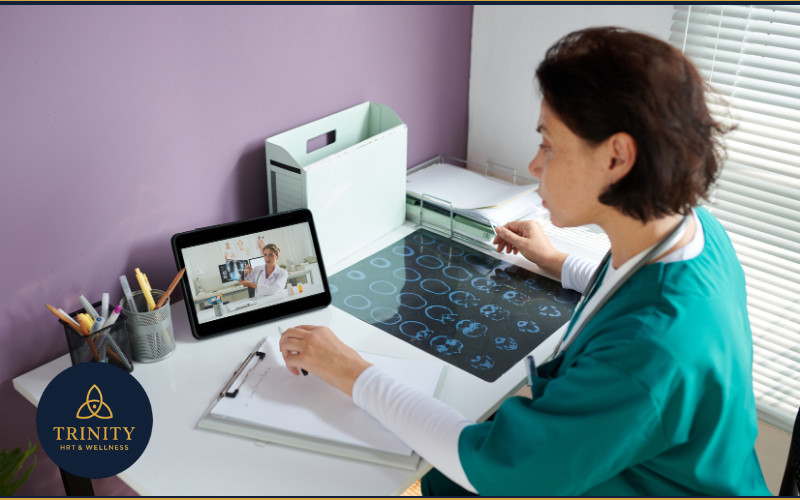
Telemedicine has transformed how patients access healthcare, including Hormone Replacement Therapy. Yet one question continues to surface for patients considering virtual care:
Is telemedicine hormone therapy actually safe?
With the rise of nationwide HRT telehealth services, it’s understandable that patients want clarity. Safety in hormone therapy does not depend on whether care is delivered in person or online. It depends on medical oversight, evidence-based protocols, and ongoing monitoring.
At Trinity HRT & Wellness, safety is not optional. It is the foundation of every treatment decision, whether care is provided at our Fort Myers clinic or through secure online HRT consultations nationwide.
This article breaks down what medical guidelines, research, and clinical best practices say about the safety of telemedicine hormone therapy.
Why Safety Concerns Exist Around Telemedicine HRT
Hormone therapy affects complex systems throughout the body. When prescribed irresponsibly, it can lead to unwanted side effects or long-term health risks.
Some concerns surrounding telemedicine hormone therapy come from:
Clinics that skip lab testing
One-size-fits-all dosing models
Lack of physician oversight
Infrequent follow-up or monitoring
These practices are not inherent to telehealth itself. They are failures of clinical standards. When telemedicine hormone therapy follows the same medical principles as in-person care, safety outcomes are comparable.
What Medical Guidelines Say About Telemedicine Hormone Therapy
Major medical organizations recognize telemedicine as a legitimate method of care when used appropriately.
Clinical guidelines emphasize that hormone therapy must include:
A thorough medical history
Objective lab testing
Individualized treatment planning
Ongoing monitoring and dose adjustments
These requirements apply regardless of whether care is delivered in a physical office or through virtual hormone replacement therapy.
At Trinity HRT & Wellness, telemedicine hormone therapy is structured to meet these same expectations, ensuring that convenience never replaces clinical responsibility.
The Role of Lab Testing in Safe Telehealth HRT
No reputable hormone therapy program should prescribe treatment without labs. Blood work is essential for understanding baseline hormone levels, identifying risks, and tracking treatment response over time.
How Lab Testing Works for Telehealth Patients
Patients using online HRT consultations complete lab testing through trusted local lab partners. This allows for accurate, standardized testing without requiring travel to a central clinic.
Lab results are reviewed by the physician before any treatment begins. This process ensures that hormone therapy is medically appropriate and tailored to the individual.
Why Monitoring Matters Long-Term
Hormone levels change over time. Regular follow-up labs allow providers to:
Adjust dosages safely
Monitor markers related to cardiovascular and metabolic health
Address side effects early
Ongoing monitoring is one of the strongest safety indicators in both in-person and telemedicine hormone therapy.
Physician Oversight: The Most Important Safety Factor
Telemedicine does not remove the physician from care. In fact, it often increases communication and follow-up when structured properly.
At Trinity HRT & Wellness:
Treatment plans are created and reviewed by a licensed physician
Patients receive individualized protocols, not standardized regimens
Follow-up visits are scheduled to assess progress and safety
This physician-led approach is essential for responsible virtual hormone replacement therapy and distinguishes ethical clinics from shortcut-driven models.
Who Is a Good Candidate for Telemedicine Hormone Therapy?
Telemedicine hormone therapy is appropriate for many patients, but not all. A comprehensive evaluation is required to determine eligibility.
Good Candidates Often Include:
Adults with stable medical histories
Patients requiring routine hormone optimization
Individuals who value convenience without compromising care
When In-Person Care May Be Recommended:
Complex medical conditions
Situations requiring physical examination
Cases where additional diagnostics are needed
Patients in Southwest Florida may choose in-person visits at our Fort Myers HRT clinic, while others benefit from nationwide telemedicine hormone therapy. The key is matching the care model to the patient’s needs.
Telemedicine vs In-Person HRT: Comparing Safety Outcomes
Current research shows that telemedicine outcomes can match in-person care when protocols are followed correctly.
Safety is driven by:
Quality of assessment
Accuracy of lab testing
Frequency of follow-up
Clinical judgment
Telemedicine hormone therapy that adheres to these principles is not a lesser option. It is simply a more accessible one.
Faith, Ethics, and Responsible Hormone Care
At Trinity HRT & Wellness, our approach to safety is guided not only by medical standards but also by faith-based values.
We believe the body is a temple, deserving of thoughtful, compassionate care. This philosophy influences how we:
Evaluate treatment necessity
Avoid overtreatment
Prioritize long-term health over short-term results
Ethical hormone therapy means saying no when appropriate and educating patients every step of the way.
How to Choose a Safe Telemedicine HRT Provider
If you are considering nationwide HRT telehealth services, look for a provider that:
Requires comprehensive lab testing
Offers physician-led treatment planning
Provides ongoing monitoring
Uses secure, HIPAA-compliant platforms
Clearly explains risks and benefits
These factors matter far more than convenience alone.
A Safer Path to Virtual Hormone Replacement Therapy
Telemedicine hormone therapy can be safe, effective, and empowering when delivered responsibly. The method of care matters less than the standards behind it.
At Trinity HRT & Wellness, we combine evidence-based medicine, ethical oversight, and compassionate support to deliver safe online HRT consultations nationwide.
If you are exploring telemedicine hormone therapy or want to understand whether virtual care is right for you, our team is here to help you make an informed decision with confidence.
FAQs: Is Telemedicine Hormone Therapy Safe?
Is telemedicine hormone therapy actually safe?
Yes, telemedicine hormone therapy can be safe when it follows established medical standards. Safety depends on physician oversight, comprehensive lab testing, individualized treatment plans, and ongoing monitoring, not whether care is delivered virtually or in person.
Why do some people think telemedicine HRT is unsafe?
Safety concerns usually stem from clinics that skip lab testing, use one-size-fits-all dosing, lack physician involvement, or fail to provide ongoing monitoring. These issues are failures of clinical standards, not telemedicine itself.
Do medical guidelines support telemedicine hormone therapy?
Yes. Major medical organizations recognize telemedicine as a legitimate method of care when used appropriately. Clinical guidelines require medical history review, lab-based decision making, individualized treatment, and regular follow-up regardless of care setting.
Is lab testing required for telemedicine hormone therapy?
Yes. Reputable telemedicine hormone therapy programs require blood work before starting treatment. Lab testing establishes baseline hormone levels, identifies potential risks, and guides safe dosing decisions.
How does lab testing work for telehealth HRT patients?
Patients complete lab testing through trusted local lab partners near their home. Results are reviewed by a licensed physician before treatment begins and throughout care to ensure safety and effectiveness.
Who oversees treatment in telemedicine hormone therapy?
A licensed physician oversees all treatment decisions. Physicians review medical history, lab results, and symptoms, create individualized treatment plans, and monitor patients over time to ensure safe outcomes.
Is telemedicine HRT as safe as in-person hormone therapy?
When protocols are followed correctly, telemedicine hormone therapy can achieve safety outcomes comparable to in-person care. Safety depends on assessment quality, lab accuracy, follow-up frequency, and clinical judgment.
Who is a good candidate for telemedicine hormone therapy?
Telemedicine hormone therapy is often appropriate for adults with stable medical histories, patients seeking routine hormone optimization, and individuals who value convenience without sacrificing medical oversight.
When is in-person hormone therapy recommended instead?
In-person care may be recommended for patients with complex medical conditions, those requiring physical exams, or situations where additional diagnostics are needed. The care model should always match the patient’s medical needs.
How can I choose a safe telemedicine HRT provider?
Look for providers that require lab testing, offer physician-led treatment planning, provide ongoing monitoring, use HIPAA-compliant platforms, and clearly explain risks and benefits before treatment begins.
