Can Hormones Affect Cholesterol?
By Jean-Jacque Vel, DO
Quick Answer
Yes. Hormones such as estrogen and testosterone may influence cholesterol levels and overall cardiovascular health. As hormone levels change during aging, perimenopause, menopause, or due to testosterone deficiency, some people notice changes in their cholesterol profile. However, cholesterol is also affected by genetics, diet, exercise, body weight, and other medical conditions.
At Trinity HRT & Wellness, we evaluate hormone health as part of a comprehensive medical assessment, recognizing that heart health involves many interconnected factors.
Many patients are surprised when routine blood work shows higher cholesterol than they've ever had before.
Often the first question is:
"Could my hormones have something to do with this?"
The answer is that they might.
Hormones play an important role in many metabolic processes, including how the body regulates fats, blood vessels, and inflammation.
While hormones are rarely the only factor affecting cholesterol, understanding their relationship can help patients make informed decisions about their health.
What Is Cholesterol?
Cholesterol is a waxy substance that your body needs to function properly.
It helps produce:
hormones
vitamin D
healthy cell membranes
digestive bile acids
Because cholesterol serves many important functions, the goal isn't to eliminate it but to maintain healthy levels.
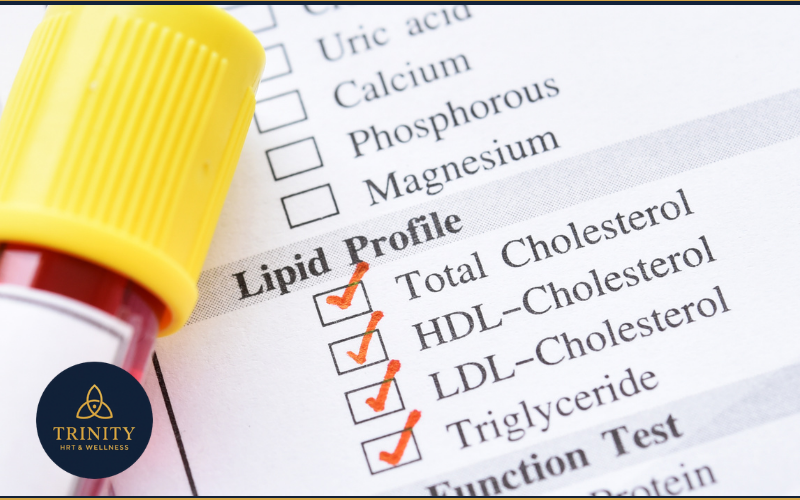
Your healthcare provider may evaluate:
LDL ("bad") cholesterol
HDL ("good") cholesterol
triglycerides
total cholesterol
How Estrogen May Affect Cholesterol
Estrogen influences several aspects of cardiovascular health.
Research suggests estrogen may help support:
healthy HDL cholesterol levels
balanced LDL cholesterol
blood vessel function
circulation
As estrogen naturally declines during menopause, some women notice gradual changes in their cholesterol numbers.
This doesn't happen to everyone, but it is a common reason physicians monitor cardiovascular risk during midlife.
Can Low Testosterone Affect Cholesterol?
Testosterone also plays a role in metabolism and body composition.
Men with low testosterone may experience changes such as:
increased body fat
reduced muscle mass
decreased physical activity
metabolic changes
These factors may indirectly influence cholesterol and overall heart health.
A physician-guided evaluation can help determine whether hormone changes may be contributing to these concerns.
Hormones Are Only One Piece of the Puzzle
Many other factors affect cholesterol, including:
family history
nutrition
physical activity
diabetes
thyroid disorders
smoking
blood pressure
body weight
certain medications
For most people, cholesterol reflects the combined effects of many lifestyle and medical factors rather than one single cause.
Symptoms of High Cholesterol
One important thing to understand is that high cholesterol usually doesn't cause symptoms.
Most people discover elevated cholesterol during routine laboratory testing.
That's why regular preventive healthcare visits are so important.
How We Evaluate Hormone Health
At Trinity HRT & Wellness, we don't focus on hormones in isolation.
A comprehensive evaluation may include:
symptom review
medical history
lifestyle assessment
laboratory testing
discussion of long-term health goals
Understanding your overall health allows us to provide more personalized recommendations.
Supporting Heart Health Through Healthy Habits
Whether hormones are contributing or not, healthy habits remain one of the best ways to support cardiovascular wellness.
These include:
regular exercise
strength training
heart-healthy nutrition
maintaining a healthy weight
quality sleep
stress management
avoiding tobacco products
Small, consistent lifestyle improvements often have a meaningful impact over time.
A Message From Dr. Jean-Jacque Vel
"Hormones can influence cardiovascular health, but they're only one part of a much bigger picture. Our goal is to evaluate each patient as a whole person and develop recommendations based on their unique health needs."
— Jean-Jacque Vel, DO
Personalized Hormone Care in Fort Myers
Patients throughout Fort Myers, Cape Coral, Naples, Estero, Bonita Springs, and surrounding Southwest Florida communities trust Trinity HRT & Wellness for individualized hormone evaluations and physician-guided care.
Whether you're concerned about menopause, low testosterone, fatigue, or changes in your laboratory results, our team is here to help you better understand your health.
Final Thoughts
Hormones may influence cholesterol, but they are rarely the only factor.
Age, genetics, lifestyle, nutrition, physical activity, and overall health all play important roles in cardiovascular wellness.
If you've noticed changes in your cholesterol along with symptoms such as fatigue, weight changes, menopause symptoms, or low testosterone, a comprehensive medical evaluation may help identify contributing factors.
Related Resources
You may also find these articles helpful:
Frequently Asked Questions
Can menopause affect cholesterol?
Yes. As estrogen levels decline during menopause, some women experience changes in their cholesterol levels. Many other factors, including diet, exercise, genetics, and overall health, also influence cholesterol.
Does low testosterone cause high cholesterol?
Low testosterone may contribute to changes in body composition and metabolism that can indirectly affect cholesterol. A physician can help determine whether hormone changes may be contributing to your overall health.
Should I have my hormones checked if my cholesterol increases?
If elevated cholesterol occurs alongside symptoms such as fatigue, low libido, hot flashes, weight changes, or other signs of hormone imbalance, a comprehensive medical evaluation may be appropriate.
Can hormone therapy lower cholesterol?
Hormone therapy is not prescribed to treat high cholesterol. Treatment decisions are individualized, and managing cholesterol typically includes lifestyle changes and, when appropriate, medications recommended by your healthcare provider.
What lifestyle changes support healthy cholesterol?
Regular exercise, a balanced diet, maintaining a healthy weight, getting enough sleep, and avoiding tobacco products all contribute to heart health.
Why doesn't high cholesterol cause symptoms?
High cholesterol usually develops gradually without noticeable symptoms, which is why routine blood work is important for early detection and management.
